A Garden for Birds: Native Plants and Water Features
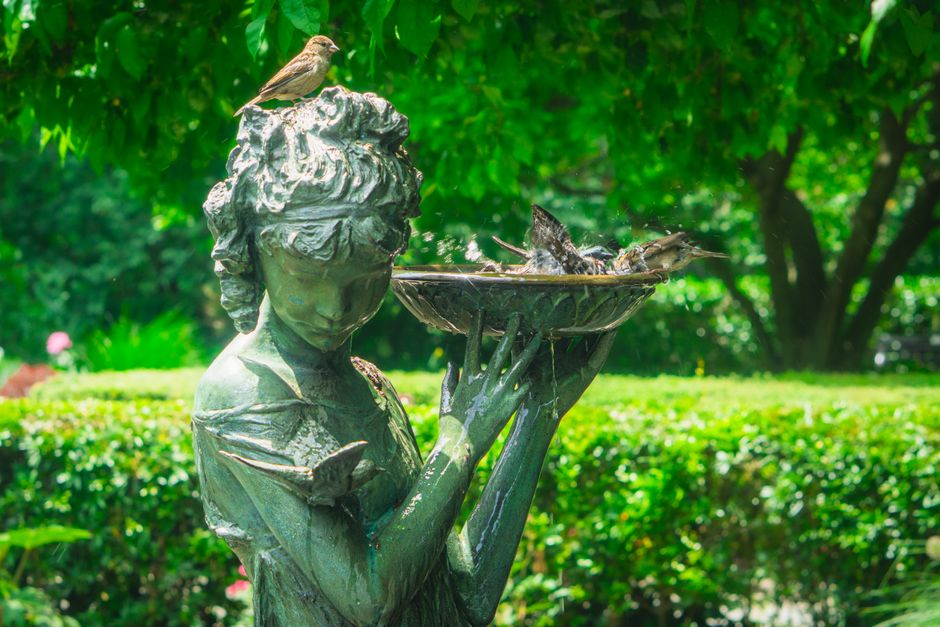
Creating a garden that welcomes birds involves thoughtful planning and an understanding of their needs. A well-designed bird garden provides food, shelter, and water, all of which are essential for attracting a variety of species. In the United Kingdom, where natural habitats are increasingly fragmented, gardens can play a vital role in supporting local bird populations. This article outlines how to design a garden with native plants and water features to encourage birds to visit and potentially reside.
The approach focuses on ecological principles rather than quick fixes. By incorporating native flora and a reliable water source, gardeners can create a sustainable environment that offers birds natural food and nesting opportunities. The process requires patience and observation, as each garden will develop its own unique character based on location, soil, and climate. The guidance below provides a framework for making informed choices that benefit both birds and the wider ecosystem.
Selecting Native Plants for Birds
Native plants are the cornerstone of a bird-friendly garden. They have evolved alongside local bird species, providing the most suitable food sources and habitats. In the UK, native trees, shrubs, and flowering plants offer a range of benefits: they produce berries, seeds, and nectar, and they support insect populations that many birds rely on, especially during breeding season. For example, oak, hawthorn, and ivy are excellent choices, each contributing to a diverse garden environment.
When selecting plants, consider the structure of your garden. Layering vegetation—trees at the top, shrubs in the middle, and ground cover below—mimics natural woodland edges and creates multiple niches for different bird species. This diversity attracts a wider range of birds, from ground feeders like dunnocks to canopy dwellers like goldfinches. Additionally, dense shrubs such as holly and privet provide secure nesting sites and protective cover from predators.
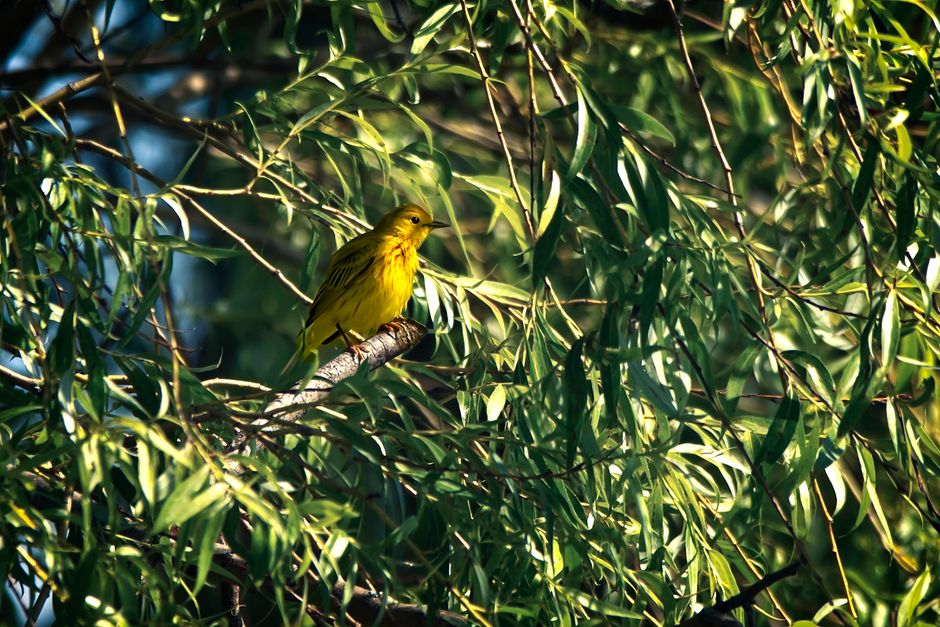
It is also important to plan for year-round food availability. Early flowering plants like willow provide nectar and attract insects in spring, while late-fruiting plants such as rowan and ivy offer berries in autumn and winter. By choosing a variety of native species, you can ensure a continuous supply of natural food throughout the seasons, which is particularly valuable during harsh weather when natural resources are scarce.
Incorporating native grasses and wildflowers can further enhance the habitat. They not only produce seeds but also host a range of invertebrates, which are a primary food source for many birds. Leaving a small area of your garden to grow wild, such as a patch of nettles or a meadow of native grasses, can significantly increase the insect population and, in turn, attract insect-eating birds. This low-maintenance approach aligns with ecological gardening principles and contributes to local biodiversity.
Integrating Water Features
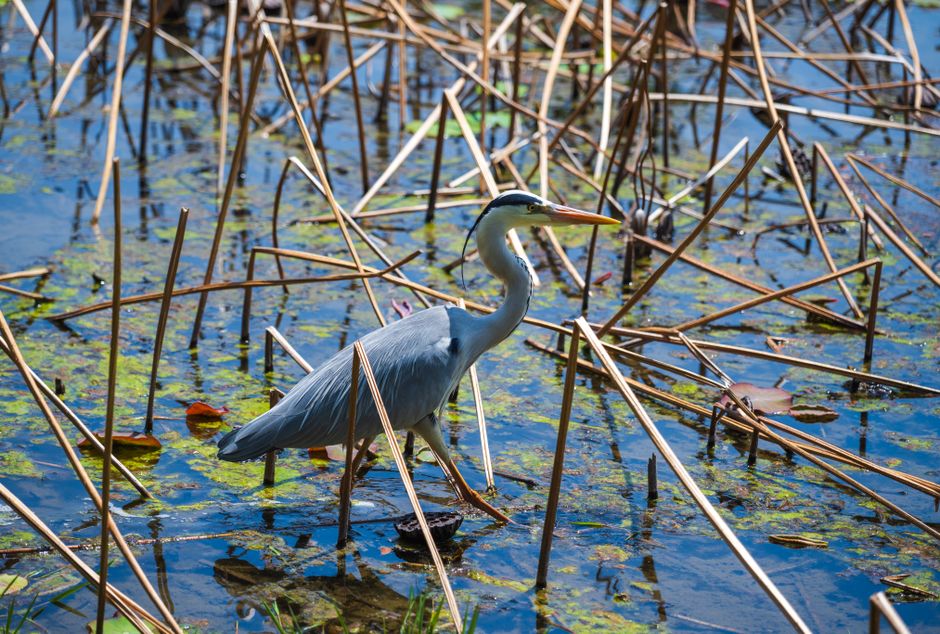
Water is essential for birds, both for drinking and bathing. A reliable water source can be the difference between a garden that is visited and one that is a permanent residence. Even a simple birdbath, if kept clean and filled, can be highly effective. However, more sophisticated water features, such as ponds or shallow streams, offer additional benefits, including supporting aquatic insects and providing a place for birds to cool off during hot days.
When designing a water feature, safety is paramount. Birds need shallow edges where they can stand without risk of drowning. A gradual slope or the addition of stones or pebbles can create a safe entry point. For a birdbath, placing it at a height of about one metre off the ground gives birds a good vantage point to spot predators. It is also advisable to position the water feature away from dense cover where cats might hide, but not too far from trees or shrubs so birds can quickly escape if threatened.
The sound of moving water, such as from a small fountain or drip, is particularly attractive to birds. It signals a fresh, reliable water supply and can be heard from a distance, drawing in species that might not otherwise visit. In urban gardens, a simple solar-powered pump can create a gentle trickle without requiring electricity. Regular maintenance is crucial, however, to prevent the build-up of algae and mosquito larvae. Changing the water every few days and scrubbing the surfaces helps maintain hygiene at a level that encourages regular use.
For larger gardens, a natural pond can be a habitat in itself. Including native aquatic plants like water lilies and flag iris provides cover and food for insects, which in turn attract birds. A shallow end with a sand or gravel base mimics natural watering holes, making it accessible to a wide range of species. Whether you opt for a simple birdbath or a more complex pond, the key is to ensure a consistent and clean water supply throughout the year, as birds need to drink and bathe regardless of the season.
Offering Natural Food Sources
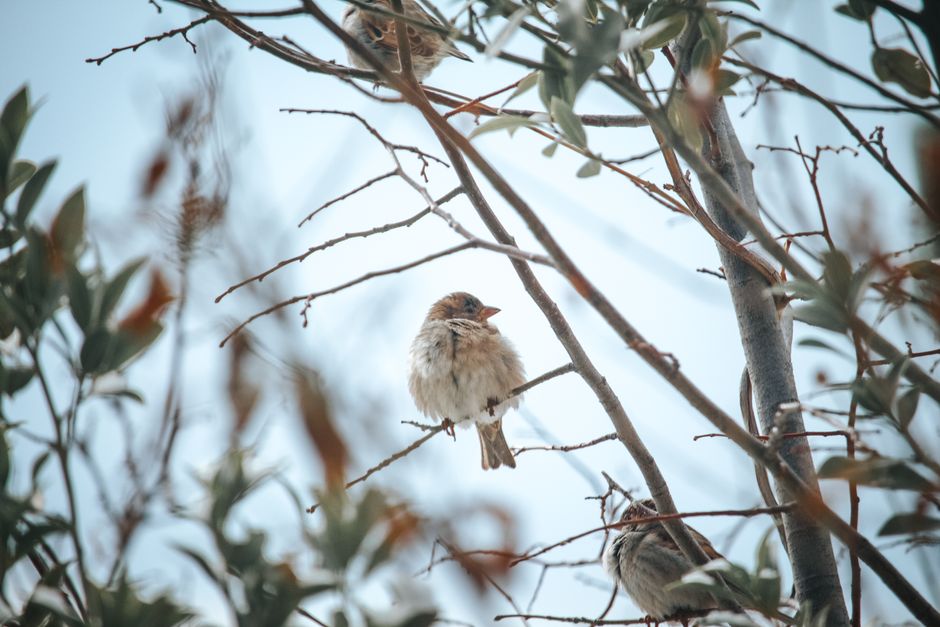
While supplementary feeding with bird feeders is popular, a garden that provides natural food sources is more sustainable and beneficial in the long run. Native plants are the most significant natural food providers, but other elements can also contribute. For instance, leaving seed heads on flowers rather than deadheading them provides a winter food source for finches and sparrows. Similarly, allowing a section of your lawn to grow long can attract insects and encourage the growth of seed-bearing weeds that birds enjoy.
Fruit-bearing trees and shrubs are particularly valuable. In the UK, species such as cherry, apple, and blackthorn produce fruits that are eaten by thrushes, blackbirds, and other species. When planting fruit trees, consider the ultimate size and space available; dwarf varieties may be suitable for smaller gardens. It is also important to avoid using pesticides and herbicides, as these can contaminate insects and plants, making them harmful to birds. Instead, opt for organic gardening practices that encourage a healthy ecosystem.
Nectar-rich flowers, though not a direct food source for most birds, attract insects that birds feed on. Plants like honeysuckle, foxglove, and buddleia are magnets for insects, providing a protein-rich food supply for chicks during the breeding season. Additionally, encouraging a population of earthworms and other soil invertebrates through layers of organic matter, such as leaf litter and compost, offers ground-feeding birds, like robins and blackbirds, a reliable foraging ground.
Incorporating a ‘wild corner’ in your garden, where nettles and other native weeds are permitted to flourish, can significantly enhance insect abundance. This practice is not only beneficial for birds but also supports butterflies and bees, contributing to overall biodiversity. By allowing nature to take its course in a designated area, you create a natural feeding station that requires minimal intervention.
Shelter and Nesting Spaces
Shelter and nesting opportunities are essential components of a bird garden. Birds need places to hide from predators, roost in bad weather, and raise their young. Dense shrubs and trees provide the cover, but you can also consider installing nesting boxes designed for specific species. For example, a box with a 28mm hole attracts blue tits, while a 32mm hole is suitable for great tits and house sparrows. Open-fronted boxes can offer shelter for robins and wrens.
The placement of nesting boxes is critical. They should be fixed securely to a tree or wall, facing between north and east to avoid strong sunlight and prevailing winds. A height of two to four metres provides safety from ground predators. It is also advisable to position boxes away from busy feeding areas to reduce disturbance. In winter, providing roosting pockets or leaving old nest material in place can offer extra shelter during cold nights.
In addition to nesting boxes, leaving dead wood in the garden is beneficial. Dead branches or a log pile provide homes for insects and fungi, which are part of the natural food chain. Woodpeckers and other birds may also feed on the insects attracted to the wood. Similarly, leaving a hedge unclipped during winter preserves protective cover and allows birds to find a safe place to roost.
Planning for shelter also involves considering the overall design. Evergreen plants such as conifers and hollies provide year-round cover, while deciduous trees offer a more open structure in winter, allowing sunlight to reach the ground and keeping the garden warmer during cold spells. By combining evergreen and deciduous plants, you create a balanced environment that meets birds’ needs throughout the year.
Seasonal Considerations in the UK
In the UK, the changing seasons bring different challenges and opportunities for garden birds. Spring is a time of nesting and high energy demand. Providing a reliable source of water and natural food is particularly important as birds search for insects to feed their young. Planting early-flowering species and avoiding any use of chemicals during this period can help support breeding success.
During summer, water remains crucial as temperatures rise. Shallow water sources may need topping up more frequently. By late summer, berries ripen, and birds begin to forage more widely. Leaving fruit on trees and shrubs can supply food for migrating species that stop over in British gardens. Autumn is a time of preparation; birds consume extra food to build fat reserves for winter. Leaving seed heads and berries in place through October and November provides a natural larder.
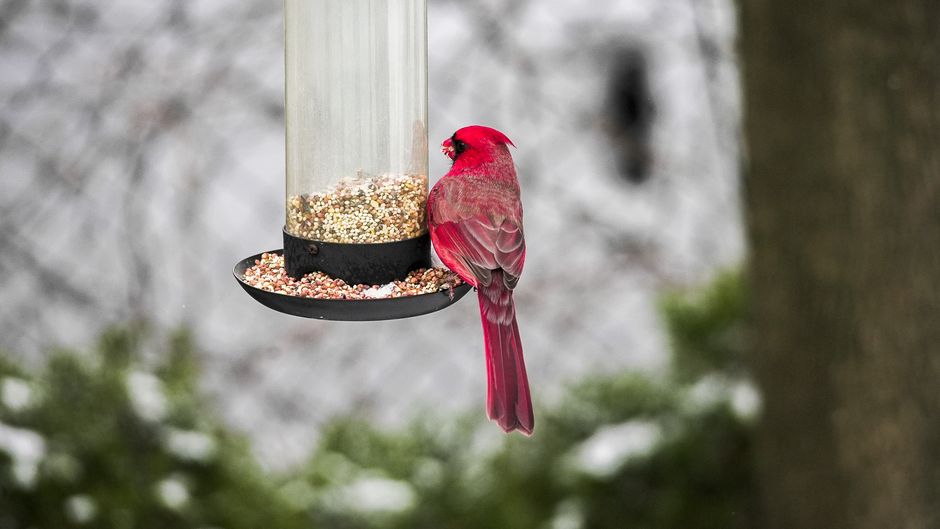
Winter can be harsh in the UK, with freezing temperatures and scarce natural food. While this article does not recommend relying on feeders, if you do choose to provide supplementary food, it is vital to do so consistently. High-energy foods such as suet and peanuts are useful, but ensure these are placed in feeders that protect from rain and are cleaned regularly. However, the primary focus should be on maintaining natural foods, such as ivy berries, which remain available even in snow.
Water is particularly challenging in winter when it may freeze. Providing a source of liquid water can be life-saving for birds. Simple measures, such as placing a floating object in the water to break the ice or replenishing with lukewarm water, can help. By considering these seasonal needs, you can create a garden that supports birds throughout the UK calendar.
Maintaining Your Bird-Friendly Garden
Maintaining a bird-friendly garden is an ongoing process that requires observation and gentle intervention. Regularly inspect your plants for signs of disease or pest damage, but resist the urge to use harsh chemicals. Instead, encourage natural predators like ladybirds and birds themselves to control pests. Pruning should be done thoughtfully: avoid cutting hedges during the nesting season (typically March to August) to protect nesting birds. If pruning is necessary, check for nests first.
Water features need regular cleaning as mentioned earlier. In autumn, remove fallen leaves from ponds to prevent them from rotting and depleting oxygen. Clean birdbaths once or twice a week, especially in summer when algae can grow quickly. Also, keep an eye on bird feeders if you use them, cleaning them regularly to prevent disease transmission. But again, this article encourages natural feeding, so the emphasis is on maintaining native plants.
Garden maintenance also involves managing the soil health. Using organic mulches and compost enriches the soil and supports a diverse community of invertebrates, which birds depend on. Avoid disturbing the garden excessively; leaving areas of your garden relatively untouched can allow nature to thrive. For example, allowing fallen leaves to accumulate under shrubs not only provides natural mulch but also harbours insects for ground-feeding birds.
Recording your observations is a valuable practice. Keeping a simple diary of bird visits can help you understand what works in your garden and what might need adjustment. You may notice that certain plants attract specific species or that birds prefer certain times of day. This information allows you to refine your garden design over time, eventually creating a haven that supports a wide variety of avian life.