Top 10 Wetland Birds to Spot in Summer
Summer brings a burst of life to the UK’s wetlands, transforming them into vibrant hubs of avian activity. For birdwatchers, this season offers a unique opportunity to observe a variety of species in their breeding plumage, engage in courtship displays, and rear their young. Wetlands—including marshes, fens, reedbeds, and shallow lakes—support a rich diversity of birdlife, many of which are migratory and arrive specifically to breed in the UK’s temperate climate. Understanding the common species and their behaviors enhances the birdwatching experience, whether you are a seasoned enthusiast or a curious beginner.
This article aims to provide an informative overview of ten notable wetland birds that can be observed during the summer months. For each species, we will highlight key identifying features and discuss the types of wetland habitats they prefer. Additionally, we will explore some of the best nature reserves across the UK where these birds can be seen in their natural environment. By focusing on identification and habitat awareness, birdwatchers can plan their visits effectively and gain a deeper appreciation for these ecosystems.
It is important to note that bird populations can vary from year to year and are influenced by factors such as weather conditions, food availability, and habitat management. The information presented here is meant to serve as a general guide, and actual sightings may differ based on location and seasonal variations.
Key Wetland Birds to Watch
Wetlands attract a wide array of bird species, each uniquely adapted to life in and around water. During the summer, many birds are in their brightest breeding plumage, making identification easier and more rewarding. Here are ten species that are commonly encountered in UK wetlands during the warmer months.
1. Mute Swan
The Mute Swan is one of the most recognizable waterbirds in the UK, known for its elegant white plumage and orange bill with a black knob. They are often seen on slow-moving rivers, lakes, and park ponds, and they are notable for their graceful swimming and sometimes aggressive territorial behavior. During summer, cygnets (young swans) are frequently observed accompanying their parents in family groups. Their size and distinctive features make them easy to spot, but it is wise to observe them from a distance, as they can become defensive when their young are threatened.
2. Grey Heron
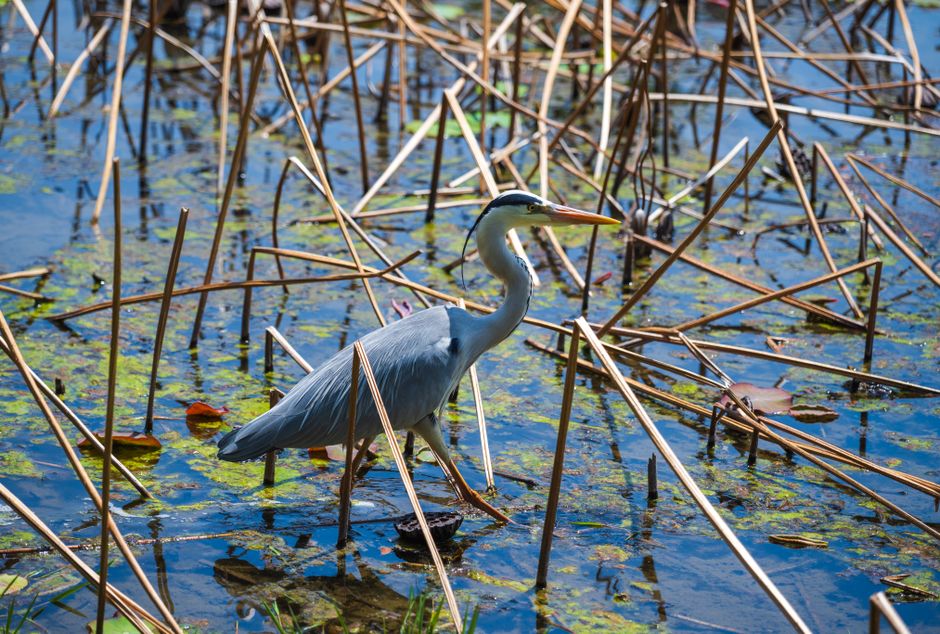
The Grey Heron is a tall, statuesque wading bird with a wingspan of up to 1.8 meters. Its grey back, white head, and black eyestripe are distinctive, and it is often seen standing motionless at the water’s edge, waiting to strike at fish. They nest in colonies called heronries, usually in tall trees near wetlands. In summer, herons are actively feeding their fledglings, and their slow, deliberate hunting behavior makes them a favorite subject for birdwatchers and photographers alike.
3. Little Egret
Little Egrets are small, white herons with long, fine black bills and black legs with yellow feet. They are agile hunters, often seen dashing through shallow water to catch small fish and insects. Once rare in the UK, their numbers have increased dramatically, and they are now a common sight in coastal marshes and estuaries, particularly in southern England. Their pure white plumage stands out against the greenery of reeds, and their active feeding makes them an engaging bird to observe.
4. Kingfisher
The Kingfisher is a small, brilliantly colored bird with a bright blue back, orange underparts, and a long, dagger-like bill. They require clean, slow-moving water with good perches for hunting. They nest in burrows along riverbanks, and in summer, the adults can be seen zipping across the water surface in fast, direct flight. Spotting a kingfisher can be challenging due to their speed and size, but patience and a quiet approach often yield rewards. Their striking appearance makes any sighting memorable.
5. Lapwing
Lapwings, also known as peewits, are distinctive waders with black and white plumage, a greenish sheen on their backs, and a prominent crest. They breed on wet grasslands and arable fields, and their swirling, tumbling display flights are a spectacular sight in spring and early summer. The males perform aerial acrobatics, accompanied by a characteristic ‘pee-wit’ call, which is how they get their name. They are ground-nesting birds, so it is important to keep to footpaths and avoid disturbing their nests.
6. Common Tern
Common Terns are elegant seabirds that also frequent inland wetlands, particularly gravel pits and large lakes. They have a slender body, long pointed wings, a deeply forked tail, and a black cap on their heads. During summer, they perform skillful dives to catch fish, and they are often seen flying gracefully over water. They nest in colonies on islands or shingle banks, and their raucous calls fill the air. Their agile flight and striking appearance make them a joy to watch.
7. Avocet
The Avocet is a striking black-and-white wader with a distinctive upturned bill and long, bluish legs. It is the emblem of the RSPB and a conservation success story in the UK, having recolonized after being extinct for many years. They breed in shallow, saline lagoons and estuaries, where they sweep their bills side-to-side in the water to catch invertebrates. Their elegant appearance and unique feeding behavior make them a highlight of any wetland visit.
8. Bittern
The Bittern is a secretive member of the heron family, with a stocky build and rich, buff-brown plumage streaked with dark brown. They inhabit extensive reedbeds and are more often heard than seen, especially during the breeding season when the males produce a loud, booming call that can carry for miles. In summer, they become more visible as they feed along the edges of reeds, but their camouflaged plumage makes them extremely difficult to spot. Patient observation from hides is often necessary to catch a glimpse of this elusive bird.
9. Marsh Harrier
The Marsh Harrier is a large bird of prey with long, broad wings and a long tail. The male has a distinctive grey, buff, and black plumage, while the female is dark brown with a cream-colored crown and throat. They nest in reedbeds, where they build large nests on the ground. During summer, they can be seen gliding low over the marsh, hunting for small birds and mammals. Their majestic flight and growing populations in some areas make them a sought-after species for birdwatchers.
10. Osprey
The Osprey is a large raptor with a white head and underparts, dark brown wings, and a distinctive dark stripe through the eye. They are fish-eating birds that nest on artificial platforms or in trees near lakes and rivers. In summer, they are often seen soaring high above the water, scanning for fish, and then plunging feet-first to catch their prey. While they are primarily found in Scotland, they have been reintroduced to areas in England, such as Rutland Water. Their spectacular hunting dives are a thrill to witness.
Identification Tips for Summer Birding
Identifying wetland birds in summer can be both challenging and rewarding. Many species are in breeding plumage, which can look quite different from their non-breeding appearance. Observing key features such as size, shape, bill type, leg color, and behavior can help narrow down the possibilities. Here are some practical tips to enhance your identification skills.
First, pay attention to the overall silhouette of the bird. Is it tall and slender like a heron, or compact and short-legged like a duck? The size and shape of the bill are also crucial: a long, pointed bill indicates a fish-eater, while a short, stout bill suggests a seed or invertebrate diet. Leg color and length can be diagnostic, particularly for wading birds. Additionally, note the bird’s behavior—its feeding method, flight pattern, and vocalizations are all valuable clues. For example, the Avocet’s distinctive side-to-side bill sweeping is unmistakable.
Another useful strategy is to listen for calls and songs. Many wetland birds are more easily detected by ear than by eye, especially in dense reedbeds. Learning the calls of common species can significantly increase your detection rate. It is also beneficial to use a good pair of binoculars or a spotting scope to observe fine details from a distance without disturbing the birds. Finally, consider visiting wetlands at different times of the day; early morning and late afternoon are often the most productive periods, as birds are more active and the light is better for viewing.
Top UK Nature Reserves for Wetland Birdwatching
The United Kingdom boasts a network of nature reserves that provide essential habitats for wetland birds. These sites are managed to maintain the ecological conditions that support diverse bird populations, and many offer hides, trails, and visitor facilities to enhance your birdwatching experience. Here are some of the best reserves to visit during the summer.
One of the most renowned is the RSPB Minsmere in Suffolk. This reserve features a variety of habitats, including reedbeds, lagoons, and woodland, making it a haven for many of the species mentioned, such as Bitterns, Marsh Harriers, and Avocets. The reserve has a network of trails and hides that allow visitors to observe wildlife with minimal disturbance. Guided walks and seasonal events are also available for those wishing to learn more.
Another excellent location is the WWT London Wetland Centre in Barnes, which offers a remarkable urban oasis. The centre has been created from former reservoirs and now hosts a wide range of birds, including Kingfishers, Lapwings, and Common Terns. It is easily accessible by public transport and provides a perfect introduction to wetland birding for city dwellers.
In Scotland, the Loch of Strathbeg in Aberdeenshire is a large nature reserve managed by RSPB Scotland. It is particularly important for wintering flocks, but in summer it supports breeding species such as Ospreys, Marsh Harriers, and various terns and ducks. The reserve offers hides with panoramic views, and the surrounding area is rich in other wildlife.
The Titchwell Marsh RSPB reserve in Norfolk is another top site, known for its diverse habitats that range from freshwater reedbeds to saltmarsh and sandy beach. This variety attracts a correspondingly diverse array of birds, including Avocets, Little Egrets, and occasionally, during migration, rarer species. The reserve has a well-maintained path leading to the beach, with hides en route.
Finally, the Ham Wall RSPB reserve in Somerset is a relatively new wetland creation that has become famous for its Bittern population. The reserve offers a level, accessible path along the edge of the reedbeds, with several viewpoints. It is an excellent place to see Bitterns, Marsh Harriers, and Bearded Tits, among others.
Conservation and Ethical Birdwatching
Wetland ecosystems are fragile and face numerous threats, including habitat loss, pollution, and climate change. Responsible birdwatching is essential to minimize disturbance and ensure that future generations can enjoy these birds. Respecting wildlife and their habitats is not only a legal obligation but also a moral one.
When visiting reserves, always stay on designated paths and use hides as intended. Keep noise to a minimum and avoid sudden movements that could startle birds. Breeding birds are particularly vulnerable; if you see a nest, do not approach it closely, as this can cause the parents to abandon it or leave it exposed to predators. Feeding wild birds is generally discouraged, as it can disrupt their natural foraging behavior and make them dependent on humans.
Many reserves have specific codes of conduct, so familiarize yourself with them before you go. It is also important to report any suspicious activity that may harm wildlife, such as illegal egg collection or disturbance, to the relevant authorities. By adopting a mindful approach, you contribute to the conservation of these remarkable ecosystems.
Additionally, you can support wetland conservation by joining or donating to organizations such as the RSPB, WWT, and the Wildlife Trusts. These bodies work tirelessly to protect and restore wetland habitats, conducting research and advocating for policies that benefit birds and other wildlife. Your involvement makes a tangible difference.
The wellbeing of wetland birds is intertwined with the health of the ecosystems they inhabit. By observing responsibly and supporting conservation efforts, we can ensure that summer wetlands remain vibrant with life.
Conclusion
Summer is an ideal time to explore the wetlands of the UK and observe a fascinating array of bird species. From the majestic Mute Swan to the acrobatic Common Tern, each bird offers a unique glimpse into the complexities of wetland life. By familiarizing yourself with their identifying features and preferred habitats, you can enrich your birdwatching experiences and contribute to the growing community of nature enthusiasts.
The nature reserves across the UK provide accessible and managed environments where these birds can be observed with minimal disturbance. Whether you are a local resident or a visitor, there are numerous opportunities to connect with nature and learn about the importance of wetland conservation. As climates and habitats continue to change, the role of these protected areas becomes increasingly vital.
We hope this guide inspires you to venture out and discover the wonders of wetland birding. Remember that every sighting is a privilege, and with responsible behavior, we can all play a part in preserving these habitats for years to come.